

It’s a good thing I am writing mostly for myself, as I never worked up the gumption to finish posting about The Unpleasantness at the Bellona Club. June rather got away from me. Story of my life. Spoilers ahead about the end of the book and who did it.
The main block to my writing, I think, was that I felt I had to do justice to a pet theory of mine about a scene that reminded me of one from a Brontë novel. Returning to this site after weeks, I’m dismayed to find an abandoned draft about the theory, a published post that included it, and then NO DRAFT about Strong Poison, after I spent 2 hours writing one on a recent flight.
D’oh.
Writing these is supposed to be my fun writing and a way to get back in the habit of writing regularly about a variety of things. Instead, it’s as if I’ve doubled down on my avoidance. Or, perhaps, life is crazytown bananapants busy, and I can’t quite keep up.
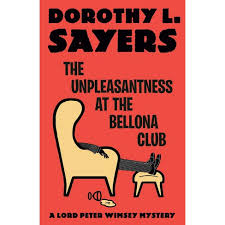
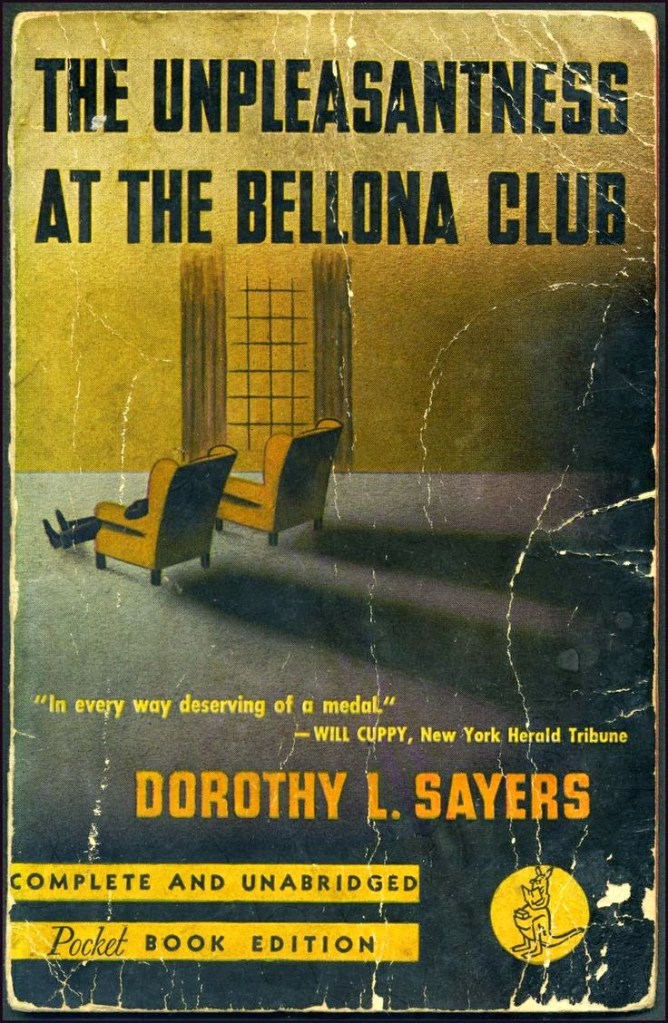
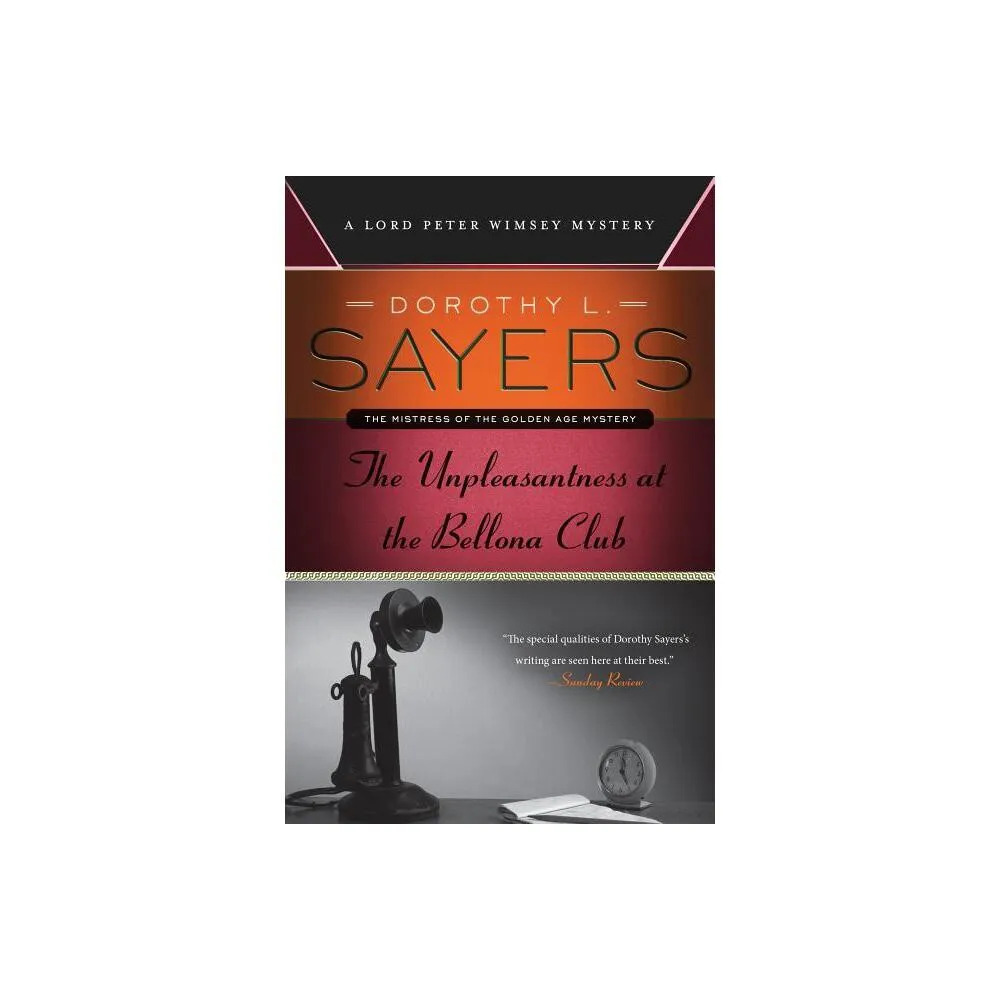
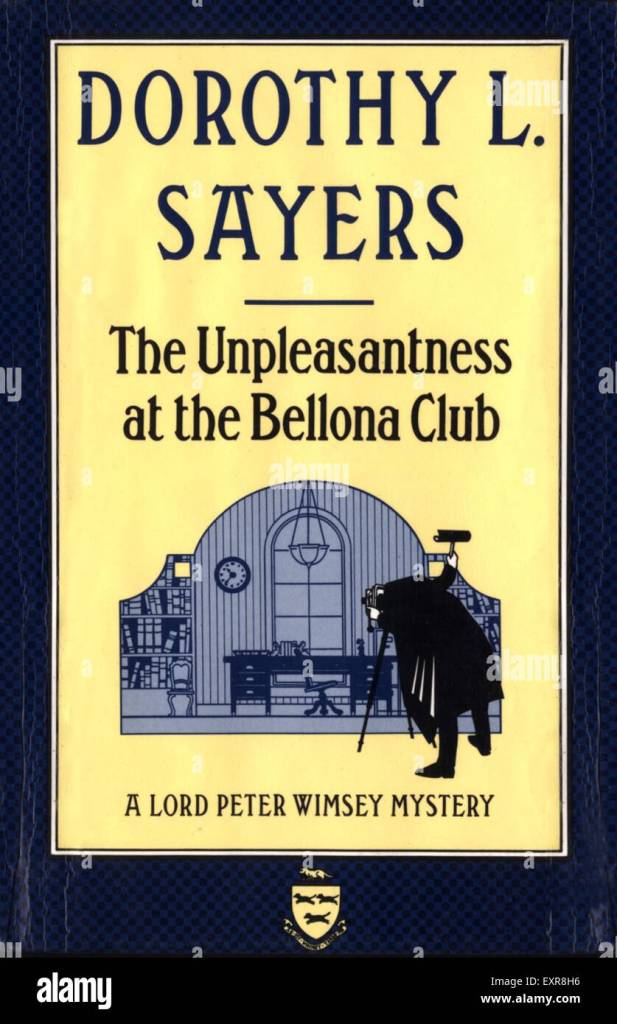
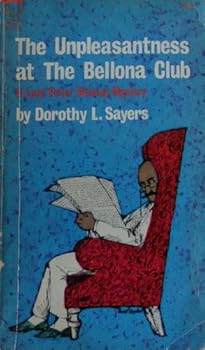
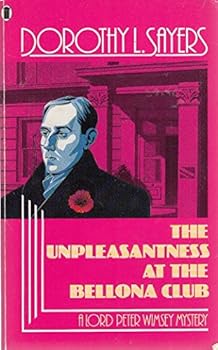
I’m going to move the Brontë theory (about a scene in chapter XVII) to its own post and focus this on the last chapters in The Unpleasantness at the Bellona Club. I’m also going to include a bunch of covers, since I find their range fascinating.
In chapter 18, (sorry, but I’m tired of writing in the roman numerals from the book) there’s one of my favorite lines of the series, when Peter says, “Books, you know, Charles, are like lobster-shells. We surround ourselves with ’em, and then we grow out of ’em and leave ’em behind, as evidences of our earlier stages of development.” (210, Bourbon Street Books 2014)
As Peter explores who was the most likely person to give an overdose of heart medicine to the General Fentiman, he worries that she’ll lie to protect her former lover and is relieved when she has no such plan. “Thank the lord! I thought you were going to be noble and self-sacrificing and tiresome. You know. Like the people whose noble motives are misunderstood in chapter one and who get dozens of people tangled up in the their miserable affairs till the family lawyer solves everything on the last page but two.” It’s an amusing callback to the events in Clouds of Witness.
Meanwhile, George Fentiman has had a breakdown from shell shock and confessed to the murder. His character and the aftereffects of WWI were handled in a way that seemed on the cutting edge of the time and awareness of mental and physical health. A doctor says, “A hundred years ago they’d have called it diabolic possession but we know better.” (249) The character of George reminded me of Septimus Smith in Mrs. Dalloway, which was published a few years before this book, and was also forthright in its presentation of some of the ugly aftermath of the war, which was far from the bravery and glory that had been advertised.
Wimsey extracts a confession from Penberthy, who had been willing for either Ann or George to take the blame for his own actions, pursued because he wanted to start a clinic to study “glands.” In a call back to the beginning of the book, “There was nobody in the library at the Bellona Club; there never is.” (252) Once Wimsey lays out the evidence, he makes Penberthy write a confession and, along with Colonel Marchbanks, offers him the option to kill himself rather than face arrest and trial. As those two exit, “Their shadows moved, lengthened, shortened, doubled and crossed as they passed the seven lights in the seven bays of the library. The door shut after them.” (256) It’s a solemn end to the mystery.
In the last segement, titled “Post Mortem,” things are comparatively light. Ann Dorland insists on splitting the inheritance with George and and Robert. Wimsey has done a tidy bit of matchmaking and Ann and Robert now seem to be a thing. And Wimsey almost gets engaged.
Marjorie says, “I’d almost take you on myself if you asked me. You don’t feel inclined that way, I suppose?”
Peter’s reply shows also how the two of them are an almost match, but not quite: “My dear–if a great liking and friendship were enough, I would–like a shot. But that wouldn’t satisfy you, would it?”
Each is feeling the other out, while also protecting themselves from truly committing.
Marjorie decides, “It wouldn’t satisfy you, Peter. I’m sorry. Forget it.”
They agree to remain friends. And cranky Wetheridge gets the last words, complaining about the club, and continuing to hide his own soft heart.
I found the mystery engrossing, the characterizations strong, especially the parts about soldiers after war, and the banter entertaining. Could this be a good candidate for which book to recommend to someone as an entry to the Wimsey series, since most people agree that Whose Body?, Clouds of Witness, and Unnatural Death are uneven?
I’ll be writing about Strong Poison next. Till then, here are a bunch of covers, which I’m shamelessly not attributing or captioning. Sorting out the mess I’ve made of posts and drafts has consumed all my executive function for the day.



 K.J. Boldon