
Ha, ha, ha, past self. Weren’t you cute, feeling smug at writing about August books before September ended, and thinking “I’m catching up!” That was the first heady flush of a writer parent with an empty nest; it didn’t last long. (Because, reasons, which I will probably write about later, which involved writing a Paper with a capital P, and going to a conference so small it was actually a symposium, filled with learning and delights.)
Here I sit, on the downhill slide to Thanksgiving, when the nest will no longer be empty. Here’s what I read in September; a very good month for fiction and poetry.
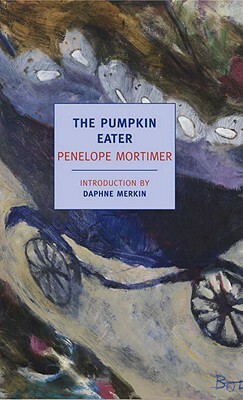
The Pumpkin Eater by Penelope Mortimer, with #NYRBWomen24 One of my favorite subjects, motherhood and madness, this reminded me of Helen Weinzweig’s Basic Black with Pearls, with a dash of Shirley Jackson’s marriage to Stanley. (The cover art, Susan Bower’s Downhill in a Pram, reminds me of a scene in Babar and His Children, an upsetting book on a number of levels–colonialism, Babar smoking while poor Celeste labors out THREE baby elephants, and the near deaths of babies; the choking baby always upset me more than the runaway buggy.)
A bad book on Kierkegaard barely worth mentioning.
The Life Around Us: Selected Poems on Nature by Denise Levertov. What world do we live in that a book almost thirty years old about climate and nature is still terrifyingly relevent? Oh, yes, right. This one. “celebration and fear of loss are necessarily conjoined.”
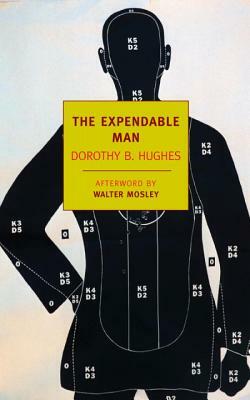
The Expendable Man by Dorothy B. Hughes (whose In a Lonely Place I loved last year.) Her last book, and a great one. Don’t read anything about it, just read it, because there’s a terrific kicker once you’re more than a little way in, then slow burns like the noir it is. This one’s sixty years old and still terribly relevant. I don’t use “terribly” lightly. Loved the character of Doc Jopher.
First You Write a Sentence by Joe Moran. This had a lot of good stuff. “Your sentences should mimic the naturalness of speech, so long as you remember that speech is not really natural and that writing is not really like speech.” But Moran lost me when he nodded to Jane Kenyon, didn’t name her, then named her widower spouse. Read more women, dude.
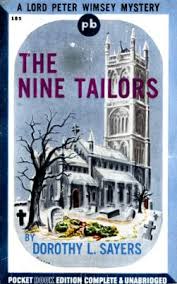
The Nine Tailors by Dorothy L. Sayers.
The ancient car, shuddering to her marrow-bones, lurched away down the straight and narrow road. They passed a cottage, and then, quite suddenly, on their right, there loomed out of the whirling snow a grey, gigantic bulk.
“Great Heavens,” exclaimed Wimsey, “is that your church?”
Forgive my blasphemy, but this phallic irruption of the church out of the snowstorm, and Wimsey’s alarmed response to it, amuse me. When he is shown the font, he notices the “carvings were certainly curious, and, to his mind, suggestive of a symbolism neither altogether Christian nor altogether innocent.” Sayers would go on to become a noted Christian theologian for her cycle of plays, religious writings, and translation of Dante, so I’m amused at the irreverent things she scattered throughout the Wimsey novels. I tore through this long novel. My favorite character is Hilary Thorpe, a clever teen who brings to mind characters like Nancy Drew and Cassandra Mortmain of I Capture the Castle. “I’ll write novels. Best-sellers. The sort that everybody goes potty over. Not just bosh ones, but like The Constant Nymph.” Some argue that The Nine Tailors is Sayers’ best novel. Not me. Great, yes. Her greatest? Nope.
Last but not least was Convenience Store Woman by Sakaya Murata for the book group with my other booksellers. As one of them noted, the title would be more accurate as Convenience Store Person, or Human, but I’m sure the marketing team won that battle. This is short, weird, disturbing at times, and a tender portrait of a neurodivergent woman with a unique special interest.
 K.J. Boldon